Between Mountains and Sea: Crafted Living Reimagined
A Way of Life Between Peaks and Bays
Morning Rituals: From Crisp Air to Salt Spray
Start with the bite of alpine air and a sturdy mug of coffee, then let the day drift toward shoreline light. Stretch beside a wooden bench that’s smooth from generations of use, lace your boots, and stroll past stone walls warmed by early sun. By afternoon, slip into a cove where gulls circle lazily, finishing the day with a notebook, damp hair, and the taste of sea on your lips.
The Bora and the Hearth
When the bora wind barrels across the Karst, shutters clap and conversations tighten into cozy corners. Indoors, a tiled stove radiates steady heat while a pot of beans simmers beside bay leaves and garlic. Thick socks, a wool throw, and the scent of resinous pine turn weather into welcome. Outside, the world sharpens; inside, bread crusts crackle, reminding you that refuge can be beautifully ordinary and wonderfully earned.
Aperitivo After the Trail
Dusty calves, a satisfied ache, and an open square where glasses sparkle with citrus and gentle bubbles. A plate arrives: paper-thin slices of cured pork, olives bruised with herbs, small toasts layered with anchovy and butter. Strangers become companions as trail names replace formal introductions. Laughter lifts like swallows over rooftops, and the day settles into a glow that tastes faintly of orange peel, stone, and remembered sunlight.
Materials, Textures, and Colors That Ground Daily Spaces



Craft Traditions Worth Bringing Home
Karst Stonecutters and Quiet Thresholds
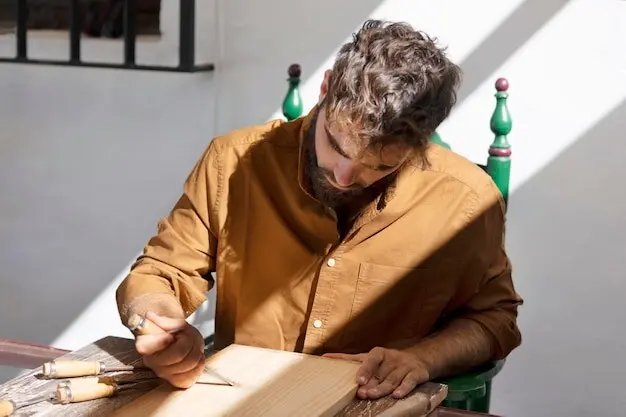
A threshold cut from local limestone cools the foot and warms the eye. Its edges remember tools; its face carries fossils like constellations. Ask a mason about choosing vein direction, and you’ll hear weather stories and family names. Installed under a doorway or as a bench outside the kitchen, it becomes a gathering place for mugs, baskets, or resting hands, proof that stillness can be beautifully, sturdily made.
Boatbuilders, Ropes, and Oars
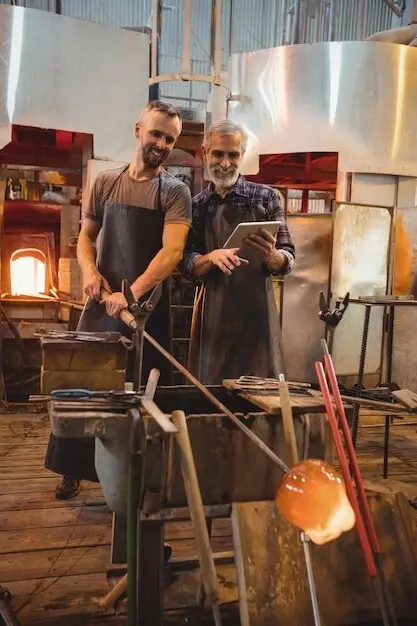
In a low shed that smells of resin and cedar, a gajeta takes shape with steam-kissed planks and patient clamps. An oar handle is carved where palm meets purpose, sanded until it invites a grip. Knots practice themselves along a beam, and tar stains earn their permanence. Even far from docks, a single oar or coil of rope adds tide to a room, whispering of journeys, currents, and return.
Idrija Lace and Everyday Linen
Bobbin lace is not merely decoration; it is time made visible. Idrija patterns travel home as trim on napkins or runners, stitched onto roughwashed linen that softens with use. Spread across a table, their shadows become part of the meal. They frame bowls of soup and glasses of wine with quiet geometry, reminding everyone that care can be as light as thread, as strong as repetition, and as generous as sharing.
Slow Journeys and Micro-Adventures
The Alpe-Adria Trail at Kitchen Scale
Parenzana by Bicycle, Memory by Notebook
Islands at Arm’s Reach
Winter Glow, Chalet Calm
Spring Foraging, Gentle Resets

Summer Blue, Salt and Citrus